

Buy an original if you want one of a kind texture, presence, and a piece that might hold or grow in value; buy a high quality print if you want flexible, affordable décor you can scale across several rooms. Limited editions sit somewhere between the two, but only originals are genuinely unrepeatable. Whichever route you take, run the authentication checklist below before you pay, and treat a specialist platform as a straightforward way to commission a hand painted piece rather than gamble on an unverified print.
TL;DR:
- Originals are unique, hand-painted objects that will never be replicated, making them more valuable and unrepeatable than limited editions or reproductions.
- Proper authentication involves examining surface texture, edges, signatures, and provenance, with basic tools like a loupe and torch sufficient for most cases.
- Prints, especially open editions, are produced mechanically and generally do not appreciate over time, serving mainly as affordable home or office décor.
- Limited signed prints like etchings or screenprints can retain or slightly increase in value, but far less than a true original artwork.
- Careful framing, proper storage, and limiting sun exposure extend the lifespan of both originals and prints, but originals tend to age more gracefully with correct maintenance.
Table of Contents
- Hand painted vs print: what actually separates them
- How to tell if a painting is real or a print
- Does buying a print devalue your art collection?
- Caring for originals and prints so they last
- Choosing between an original and a print for your space
- Who’s behind this advice on originals and prints
- Is hand painted art actually greener than a print?
- What I’ve noticed after years of watching people choose
- Commission a hand painted original with Frametheworld
- Sources
- FAQ
Hand painted vs print: what actually separates them
The gap between a hand painted artwork and a print isn’t really about price. It’s about process, and that process shows up physically the moment you look closely.
A painting is built in layers. An artist lays down a ground, works pigment into it in passes, sometimes piles paint thickly enough to cast its own shadow (a technique called impasto) and then seals the surface with varnish once it’s dry. Museums treat impasto as a genuine identifying feature because raised paint catches light unevenly, and no two brushstrokes repeat exactly the same way. That’s what gives an oil painting its depth: light hits ridges of paint at different angles across the same square inch, which a flat surface simply cannot replicate.
A print works the opposite way. A giclée is a high resolution inkjet reproduction, often on archival cotton paper or canvas, and it can look remarkably close to the original at a glance. Offset lithography and canvas transfers are cheaper mechanical processes that lay ink down in a fixed dot pattern. An oleograph goes further, adding a textured varnish over a print to fake the look of brushwork. It can fool you from across a room. It won’t fool a loupe.
Here’s where it gets more interesting: not every print is a reproduction in the devaluing sense. Etching, lithography, and screenprint are printmaking techniques where the artist works directly on the plate, stone, or screen, and each pull from that matrix is considered a genuine, separate work of art. That’s the whole basis of the Print Council’s definition of an original print: a hand pulled, signed, numbered etching is not a “copy” of anything. It’s the primary artwork, just produced in a small, capped run rather than as a single unique object.
So the real distinction buyers need isn’t “painting good, print bad.” It’s three separate categories:
- Unique original — one physical object, painted or drawn by hand, that will never exist again.
- Original print — a hand pulled etching, lithograph, or screenprint, produced in a limited, numbered edition, where each impression counts as an original artwork.
- Reproduction print — a giclée, offset print, or poster copying an existing painting or drawing, produced mechanically and usually in far larger or open runs.
Knowing which category you’re looking at changes everything about what you should expect to pay and what happens to that value later.
How to tell if a painting is real or a print
You don’t need a conservator’s toolkit for most of this. A cheap loupe, a torch, and a few minutes of patience will settle the question in almost every case.
- Magnify the surface at 10x. This is the fastest, most reliable test. Under a 10x loupe, mechanical reproductions show a regular grid of coloured dots, the CMYK pattern any inkjet or offset printer uses to build an image. Original paint shows continuous pigment, brush hairs, and irregular texture with no dot structure at all.
- Angle a torch across the surface (raking light). Hold a light source low and sideways rather than straight on. Real brushstrokes and impasto throw small shadows and catch light unevenly. A flat print, even a varnished one, reflects light in a suspiciously uniform sheen.
- Check the edges and the back. A stretched canvas painting usually shows paint wrapping slightly around the stretcher bars, or drips and texture continuing to the edge. A print on canvas often has a crisp, clean edge because the image was printed flat, then wrapped afterwards. Original prints sometimes carry a visible plate mark, a slight indent where the etching plate pressed into the paper.
- Read the signature and any edition numbers. A number like “12/150” tells you it’s part of a capped edition, which is meaningful, but on its own it says nothing about whether that edition is a hand pulled original print or a mechanical reproduction of a painting.
- Ask for a certificate of authenticity and provenance documents. A COA should name the artist, medium, date, and edition size where relevant. Provenance, meaning a paper trail of previous ownership, gallery receipts, or exhibition history, matters more than the certificate alone.
- When money is on the line, get a second opinion. If a private sale or an online listing claims “original oil” at a price that seems too good to be true, a professional appraiser can settle it in minutes using the same physical checks, backed by market knowledge you won’t have.
Pro Tip: Photograph the surface close up with your phone’s flash on before you buy. Flash exaggerates surface texture and dot patterns far more than normal room light, so a quick photo often reveals what your naked eye misses in a gallery or a seller’s listing.
Appraisers run through exactly this sequence: surface, support, dot pattern, edition marks, signature, labels, and condition, because physical evidence combined with paperwork is the only reliable way to separate a genuine original from a well made copy.
Does buying a print devalue your art collection?
Not automatically, but it changes what you can realistically expect financially. A unique original is by definition scarce. Nobody else can own that exact object, which is the entire foundation of any resale value it might build over time. A limited, signed print sits in the middle: scarcity is designed in, but it’s shared scarcity across however many numbered copies exist. An open edition print, with no cap on how many are produced, has essentially no scarcity value at all, no matter how good the image looks on your wall.
That doesn’t mean prints are a poor purchase. It means you should buy them for what they are: décor, not an asset.
- A unique hand painted original can appreciate, particularly with a strong provenance trail and an artist whose reputation is building.
- A signed, numbered limited edition print, especially an original print like an etching or screenprint, can hold or slowly gain value, but rarely at the same pace as a unique piece by the same artist.
- An open edition giclée or poster is priced for accessibility, and buyers should not expect it to appreciate.
Price bands reflect this hierarchy consistently. A signed limited giclée reproduction of a well known painting typically sells for a fraction of what the original oil commands, even when the print uses museum grade archival paper and ink, because the process itself remains mechanical however good the materials are.
If resale genuinely matters to you, the single strongest evidence isn’t the certificate in the frame, it’s the artist’s track record. Appraisers routinely advise checking an artist’s auction history or documented provenance before paying a premium, because a certificate or an edition number alone tells you almost nothing about future demand. When a purchase is significant, get an independent valuation before you commit, not after.
Caring for originals and prints so they last
Materials age differently, and knowing how changes what you should do with light, glazing, and cleaning from day one.
Oil paintings darken and develop fine surface cracking, called craquelure, as varnish ages over decades. That’s expected and, within reason, part of an original’s character. Prints age differently and less gracefully: magenta and yellow inks tend to fade faster than cyan, which leaves an ageing print looking cooler, sometimes with a distinct blue or green cast that was never in the original image.
Protect both with sensible basics:
- Keep direct sunlight off any artwork, painted or printed. UV is the single biggest cause of fading, and it affects prints faster than oils.
- Control humidity where you can. Damp environments encourage mould on paper based prints and can loosen canvas on stretcher bars.
- Use UV filtering glazing on works on paper and on prints; oils are usually varnished rather than glazed, but correct framing choices still protect the edges and surface from knocks and dust.
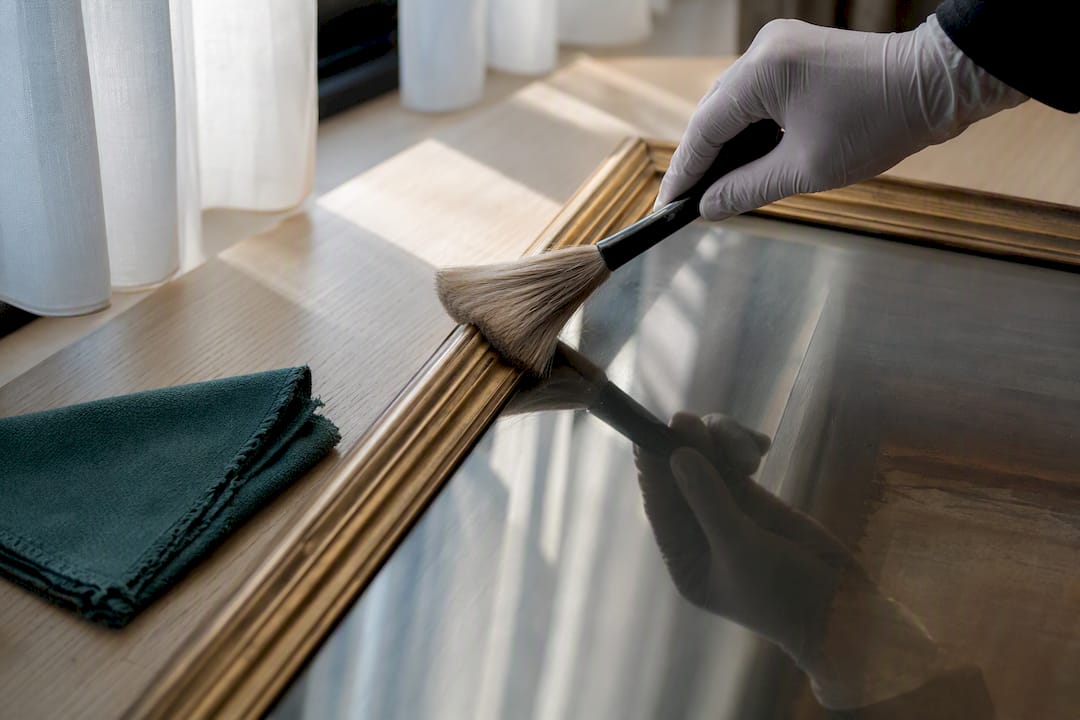
- Never use household cleaning sprays on either. Dust an oil painting with a soft, dry brush; leave anything beyond light dusting to a conservator.
- Store archival prints flat or properly rolled in acid free tissue if they’re ever taken out of their frame.
Good framing and glazing genuinely extends the life of both categories, but it can’t reverse the underlying material behaviour. That’s a decision you’re making the day you buy, not the day something starts to fade.
Choosing between an original and a print for your space
The right choice depends on what the piece needs to do for you, not on some universal ranking of quality.
Reach for a unique original when you want a genuine statement piece, when you’re building a collection with half an eye on future value, or when you want a bespoke commission that fits an exact wall and colour palette. A commissioned piece typically starts with a brief covering size, palette, and mood, moves through a preview stage where you see the work in progress, and allows revisions before the final piece ships, so you’re not committing blind.
Prints make far more sense when budget matters, when you’re furnishing several rooms or a rental property, when you need to replace or refresh art quickly, or when you specifically want photographic accuracy that some abstract painting styles can’t offer. There’s no shame in that choice. A well chosen print can carry a room just as effectively as an original, at a fraction of the outlay.
Sensible practical rules:
- Choose an original for a hallway focal point, a boardroom, or anywhere the piece needs to say something about you specifically.
- Choose prints for guest rooms, rental properties, or anywhere art might need to move with you.
- If you’re furnishing a whole house or office, mix both: one or two originals as anchors, prints filling supporting spaces.
- When selecting a piece for a specific wall or interior style, measure the space and consider the room’s existing focal points before you commit to either format.
Who’s behind this advice on originals and prints
This guide is written by Lennard for a platform built specifically around hand painted commissions rather than mass produced prints. That vantage point matters here: telling originals from reproductions is something Frametheworld’s team deals with daily, whether that’s briefing an artist on a bespoke commission or advising a returning customer on how a piece will age.
Beyond the checklist above, a few practical resources are worth bookmarking if you’re serious about buying art with confidence. A guide to issuing a certificate of authenticity explains what a proper COA should actually contain, which is useful whether you’re buying from this platform or anywhere else. The expert framing guide covers glazing and material choices that protect whichever format you choose.
None of this replaces an independent appraisal for high value purchases. But for the vast majority of home and office buying decisions, a loupe, a torch, and the questions above will tell you almost everything you need to know before you pay.
Is hand painted art actually greener than a print?
It’s a fair question, and the honest answer is: it depends what you’re comparing. A single hand painted original has no print run, no ink cartridges, and no packaging multiplied across dozens of copies. One canvas, one set of paints, one artist’s studio. That’s a genuinely low volume footprint per piece, though oil paints and solvents carry their own environmental considerations that a buyer concerned about this should raise directly with the artist or platform.
Prints scale differently. A giclée run spreads the environmental cost of ink, paper, and shipping across however many copies are sold, which can make each individual print’s footprint lower than a painting’s, provided the edition actually sells through rather than sitting in a warehouse. Open editions produced speculatively, with no guarantee of a buyer, are the least efficient outcome in either category.
The more meaningful sustainability question is often durability rather than production. An oil painting properly cared for can genuinely last generations without replacement. A cheaply produced print that fades within a decade and gets thrown out is a worse long term environmental outcome than a single durable original, even accounting for the materials involved in painting it. Buying fewer, better pieces, whichever category they fall into, tends to beat buying and discarding often.
What I’ve noticed after years of watching people choose
People almost always regret the print they bought to save money more than they regret the original they saved up for. Not because prints are bad. Because the emotional return on a piece someone made specifically for your wall is different from anything mass produced, even a beautiful one. I’ve watched a client agonise over a landscape commission for weeks, then tell us within a day of hanging it that the wait was nothing compared to walking past it every morning. If your budget only stretches to a print this year, buy the best one you can and stop apologising for it. If it stretches to an original, brief the artist properly and don’t rush the preview stage. Browse Frametheworld’s handpainted collections when you’re ready to see what a bespoke piece could look like in your own space.
— Lennard
Commission a hand painted original with Frametheworld
This platform exists as an alternative to gambling on an unverified print listing: every piece is painted to order by a real artist, not mass produced or generated by AI, and you see previews with unlimited revisions before anything ships. That takes the guesswork out of commissioning, because you’re approving the actual work in progress rather than hoping a finished piece matches what you imagined. Orders may include satisfaction guarantees and return options to reduce risk in choosing an original.
Starting a commission is straightforward: browse the Handpainted masterpieces collection for inspiration, choose a size, style, and palette, and Frametheworld’s artist collective takes it from there through preview to final delivery. If abstract work suits your space better, the Abstract and Modern Abstract collections are worth a look, and the Landscape range covers more traditional statement pieces. Trade and larger interior projects may receive dedicated support.
Sources
For deeper technical detail beyond this guide, the Print Council’s definition of an original print explains editioning standards in full, MoMA’s entry on impasto covers surface terminology used by conservators, and Fine Art Restoration’s guide walks through practical restoration and authentication steps in more depth than space allows here.
- Print Council: What is an original print?
- FindArtInfo: How to tell if art is a print or original
- Fine Art Restoration: Is my painting real? How to tell if you have an original or a print
- Appraisily: Original oil painting vs print — what appraisers look for
- VanArtHub: Original vs print vs reproduction vs giclée
FAQ
How can I tell if I have a painting or a print?
Use a 10x loupe first: a regular grid of coloured dots means it’s a mechanical reproduction, while continuous pigment and visible brush texture mean it’s painted. Check the edges and back for stretcher bars or plate marks, and angle a torch across the surface to see whether light catches raised brushstrokes or reflects in a flat, uniform sheen.
What does “hand painted” mean?
Hand painted means a person physically applied paint to the surface using brushes or other tools, building layers of pigment that dry with natural texture and irregularity. It’s distinct from any print process, however high the print quality, because no mechanical step reproduces the image.
Do prints devalue art?
Not inherently, but open edition prints rarely appreciate and shouldn’t be bought expecting resale value. Limited, signed editions hold value better, particularly hand pulled original prints like etchings or screenprints, though even these typically sell for less than a unique original by the same artist.
What are the key differences between printing and painting?
Painting is a layered, manual process where paint sits on the surface with physical texture, while printing transfers an image mechanically, usually via a dot pattern, onto paper or canvas. The practical result is that paintings age through varnish darkening and craquelure, while prints tend to fade or shift colour as inks degrade unevenly over time.
Can Frametheworld create a custom hand painted piece for my space?
Yes. This platform commissions original hand painted artwork customized to size, style, and palette, with previews and revisions before the piece ships, and may offer satisfaction guarantees. Current pricing and available styles are listed on the Handpainted masterpieces collection page.


Laat een reactie achter
Deze site wordt beschermd door hCaptcha en het privacybeleid en de servicevoorwaarden van hCaptcha zijn van toepassing.